Source Bead Bracelets for Fashion, Gifts, and Decoration
Find 30 bead bracelet options for informal occasions, health accessories, and decorative gifts. Compare materials like beads and stainless steel, styles from Korean to natural, and customization features including OEM/ODM services for bulk orders.
Key considerations
Products List


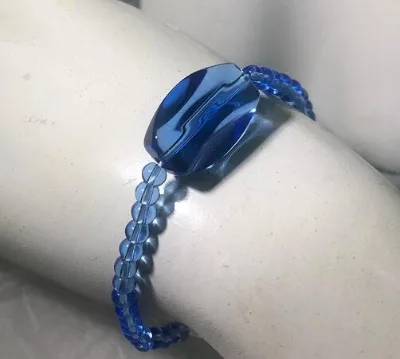
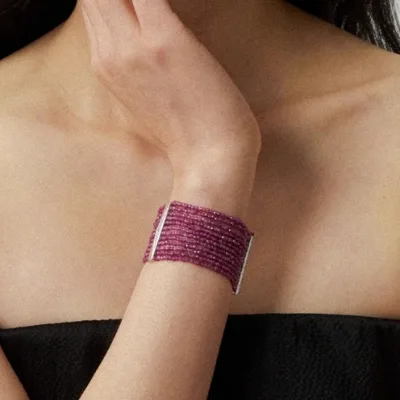


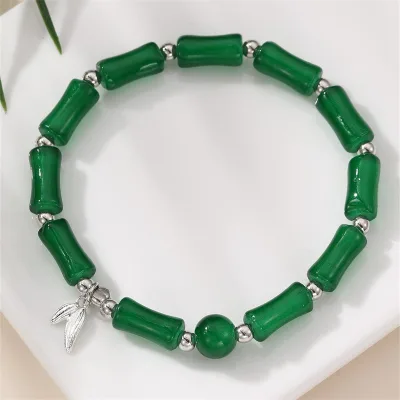
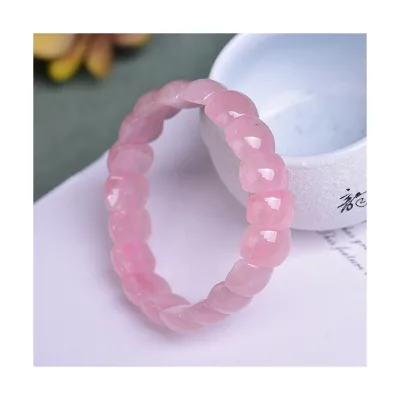
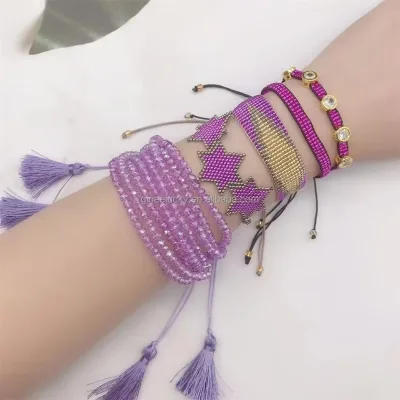


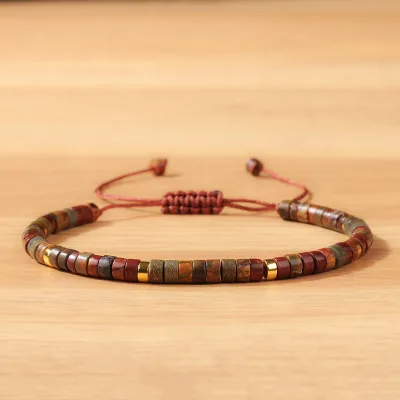

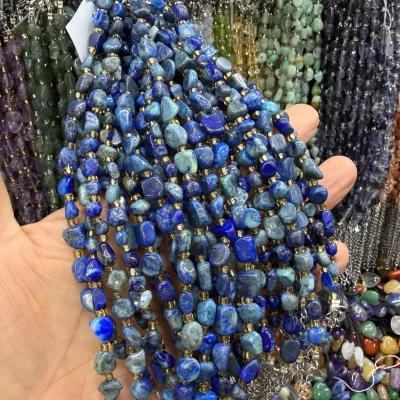


Comprehensive Sourcing Guide
Bead Bracelet Sourcing Guide
The bead bracelet market offers a diverse range of options suitable for informal occasions, with a primary focus on decorative and gift applications. Sourcing strategies must account for the variety in styles, ranging from the Korean Version aesthetic to natural and simple designs, which cater to different consumer demographics including both female and male buyers. The material composition is a critical differentiator, with observed listings featuring both beads and stainless steel, each offering distinct visual and durability profiles. Buyers should recognize that while some products are marketed for health benefits, the core function remains decoration, and procurement decisions should align with the specific intended use case of the end consumer.
Customization capabilities are a central feature of this product category, with suppliers frequently offering OEM and ODM services to tailor designs, colors, and packaging. The observed data indicates that customization is available across multiple attributes, including color selection from a palette of six options or fully customized designs, and packaging ranging from individual polybags to export cartons. This flexibility allows buyers to create unique product lines, but it also necessitates clear communication regarding design specifications and minimum order quantities, which can vary significantly from 100 pieces to 10,000 pieces depending on the supplier and the complexity of the customization requested.
Product Scope and Observed Listing Signals
Buyers must first define the specific product attributes required, as the market presents a wide spectrum of bead bracelet variations. The observed listings highlight distinct material choices, such as stainless steel for durability and beads for traditional aesthetics, alongside decorative elements like alloy components. Style preferences are equally varied, with options spanning from the trendy Korean Version to natural and simple designs, ensuring that procurement can align with specific fashion trends or target audience preferences. Understanding these distinctions is essential before engaging with suppliers, as the wrong material or style selection can lead to inventory that does not meet market demand.
The commercial signals in the market indicate a high degree of flexibility regarding order volumes and sample availability. While some suppliers list a minimum order quantity (MOQ) as low as 1 piece, others require substantial commitments of 100 or even 10,000 pieces, reflecting the scale of production capabilities. Free samples are frequently offered to facilitate product evaluation, allowing buyers to verify quality and design before committing to larger orders. However, the shipping methods, which include major carriers like DHL, UPS, FedEx, and EMS, and the delivery times, which can extend to 15 days, must be factored into the supply chain planning to ensure timely market entry.
Technical Specifications to Verify
Verification of physical specifications is paramount to ensure the product meets design and functional requirements. Buyers should meticulously check the model numbers, such as HDX21090606 or Beaded Jewelry-028A, to track specific production runs and ensure consistency across orders. Size customization is a common feature, with some listings specifying dimensions like 578mm while others offer fully customized sizing, requiring precise technical drawings or samples to avoid discrepancies. Additionally, the craftsmanship details, such as cutting out and polishing for stainless steel items, must be verified to ensure the finish quality matches the expected standard for the target market.
Packaging and logistics specifications also require careful attention to prevent damage and ensure brand presentation. The observed data shows a range of packaging solutions, from independent packaging for logistics transportation to simple PP bags or export cartons, each serving different distribution needs. Buyers must confirm whether the packaging is suitable for retail display or if it requires secondary packaging for export. Furthermore, the origin of the products, whether from general China regions or specific hubs like Shen Zhen and Fujian, can influence logistics costs and lead times, making it a critical technical parameter to verify during the supplier selection process.
Compliance and Safety Documentation
Safety compliance is a non-negotiable aspect of sourcing bead bracelets, particularly when the products are intended for children or general consumer use. The market data indicates that several suppliers adhere to recognized safety standards, including EN-71 and Non-Phthalate requirements, which are critical for ensuring the materials are free from harmful substances. Buyers must request and verify current test reports to confirm that the products meet these specific standards, as compliance is essential for market access in regions with strict safety regulations. Relying on general claims without documented proof can expose the buyer to significant legal and reputational risks.
In addition to material safety, certification verification extends to broader quality management systems and product-specific approvals. Some listings reference SGS and CE certifications, which serve as indicators of quality control and regulatory adherence. However, buyers should not assume that all products in a category automatically possess these certifications; instead, they must explicitly request certification documents for the specific batch or model being ordered. The presence of a "customized" standard in some listings suggests that compliance requirements may vary based on the specific design, necessitating a tailored approach to documentation verification for each unique product configuration.
Cost Drivers and Commercial Terms
Understanding the cost structure of bead bracelets requires analyzing the interplay between material costs, customization levels, and order volumes. The price range observed in the market spans from $0.15 to $20.95, reflecting the vast difference between basic bead designs and more complex stainless steel or alloy-enhanced pieces. Higher customization levels, such as unique designs or specific packaging requirements, typically drive costs upward, while larger order volumes can help mitigate unit costs through economies of scale. Buyers must balance the desire for premium features with the budget constraints of their target market to determine the optimal product mix.
Commercial terms, including payment conditions and delivery timelines, are equally critical in shaping the total cost of ownership. The observed delivery time of 15 days serves as a baseline, but this can fluctuate based on the complexity of the order and the supplier's current workload. Minimum order quantities, which range from 100 to 10,000 pieces, directly impact the initial capital outlay and inventory risk. Buyers should negotiate terms that align with their cash flow capabilities, ensuring that the MOQ is manageable while still securing favorable pricing. Additionally, the availability of free samples can reduce the initial investment risk, allowing for a more informed decision before committing to a full production run.
Supplier Qualification and Quality Control
Supplier qualification involves a rigorous assessment of their production capabilities, quality control processes, and track record. Buyers should prioritize suppliers who demonstrate a clear commitment to quality through certifications like SGS and CE, as well as those who offer transparent customization services. The ability to produce items with specific standards, such as Non-Phthalate compliance, indicates a mature quality management system. It is essential to verify the supplier's location, whether in Shen Zhen or Fujian, as regional clusters often have specialized expertise and supply chain efficiencies that can impact product quality and delivery reliability.
Quality control measures must be established early in the procurement process to ensure consistency and defect prevention. Buyers should implement a system for pre-shipment inspections, focusing on critical attributes like material integrity, finish quality, and packaging accuracy. The observation that some products are "Oxidize?: No" highlights the need for specific testing to ensure durability and resistance to environmental factors. Establishing clear quality benchmarks and conducting regular audits of the supplier's production line can help maintain high standards and prevent costly recalls or customer dissatisfaction.
Long-Term Procurement Checks
Sustaining a successful procurement relationship requires ongoing monitoring of supplier performance and market trends. Buyers should regularly review the supplier's ability to meet delivery times and maintain quality standards over multiple production cycles. The dynamic nature of the bead bracelet market, with its shifting styles and material preferences, necessitates a flexible approach to sourcing that can adapt to changing consumer demands. Maintaining open communication channels with suppliers ensures that any potential issues are addressed promptly and that the supply chain remains resilient.
Long-term checks also involve evaluating the supplier's capacity for innovation and continuous improvement. As the market evolves, suppliers who can offer new designs, materials, or sustainable practices will provide a competitive advantage. Buyers should assess the supplier's willingness to engage in joint development projects and their ability to scale production in response to increased demand. By fostering a collaborative relationship based on mutual growth and transparency, buyers can secure a reliable supply of high-quality bead bracelets that meet the evolving needs of their customers.
FAQs
Can I customize bead bracelet designs and colors?
Yes, customization is available for bead bracelets, allowing you to select from six colors or request any color for kids' versions. OEM and ODM services are accepted, enabling tailored designs such as eye shapes or specific models like HDX21090606. You can also choose independent packaging or polybags to meet your branding needs.
What materials are used for these bead bracelets?
The bead bracelets are primarily made from beads and alloy decorations, with some variants featuring stainless steel. These materials are selected for durability and aesthetic appeal. The products are designed for informal occasions and serve as decorations, gifts, or health accessories, suitable for both male and female wearers.
What are the MOQ and pricing for bead bracelets?
The minimum order quantity varies, with observed ranges from 1 to 500 pieces, and specific listings showing MOQs of 100 or 10,000 pieces. Prices range from 0.15 to 20.95 USD. Samples are often free, and packaging includes OPP bags or export cartons, depending on the supplier's standard logistics.
What certifications do the bead bracelets have?
The bead bracelets comply with standards such as En-71, Non-Phthalate, SGS, and CE. These certifications ensure safety and quality, particularly for items intended as gifts or decorations. Some products also feature customized standards, allowing for specific regulatory requirements to be met during the manufacturing process.
Where are the bead bracelets manufactured and shipped?
The bead bracelets originate from China, specifically from locations like Shen Zhen and Fujian. Shipping options include DHL, UPS, FedEx, and EMS. The delivery time is typically around 15 days, with packaging designed for independent logistics transportation to ensure safe arrival at your destination.